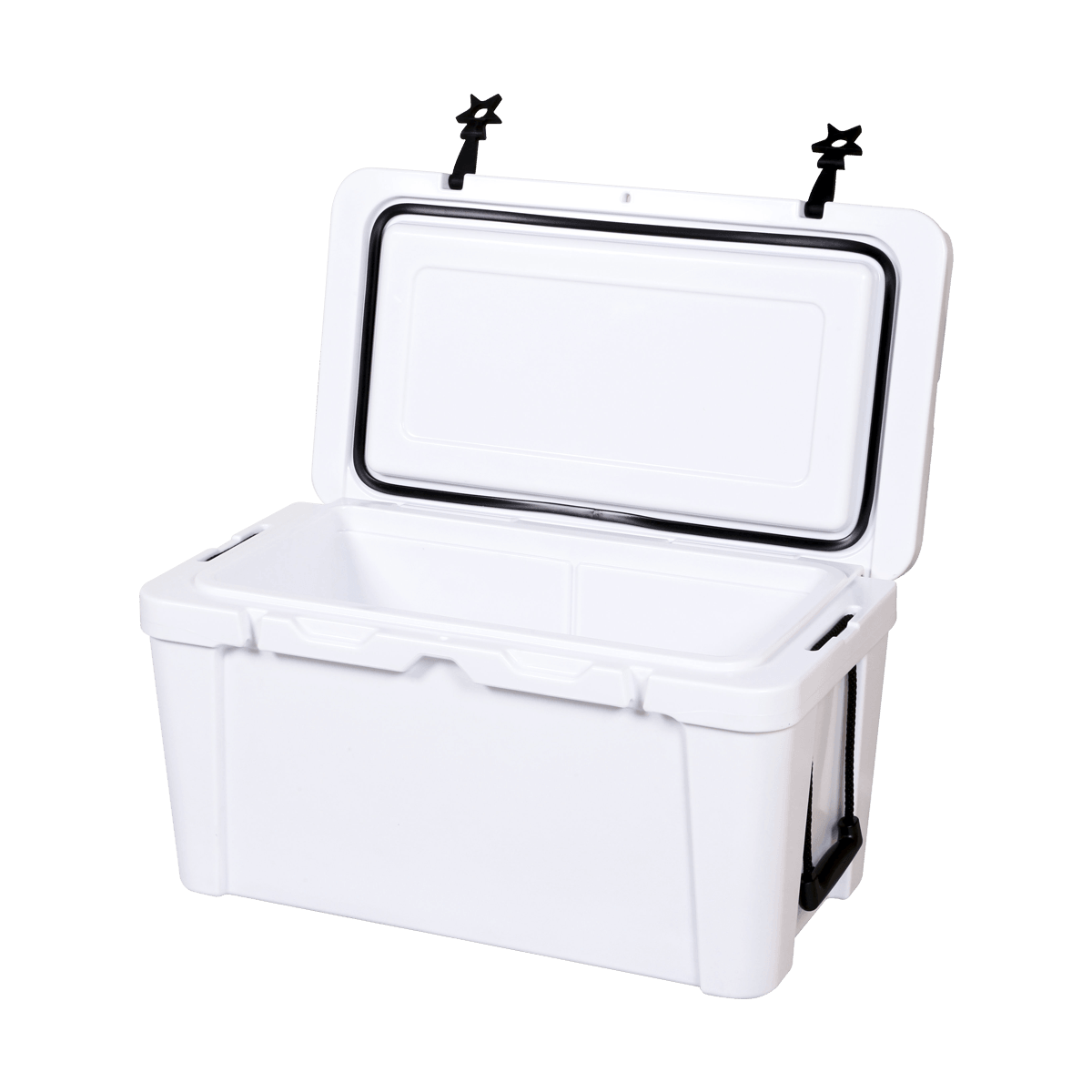
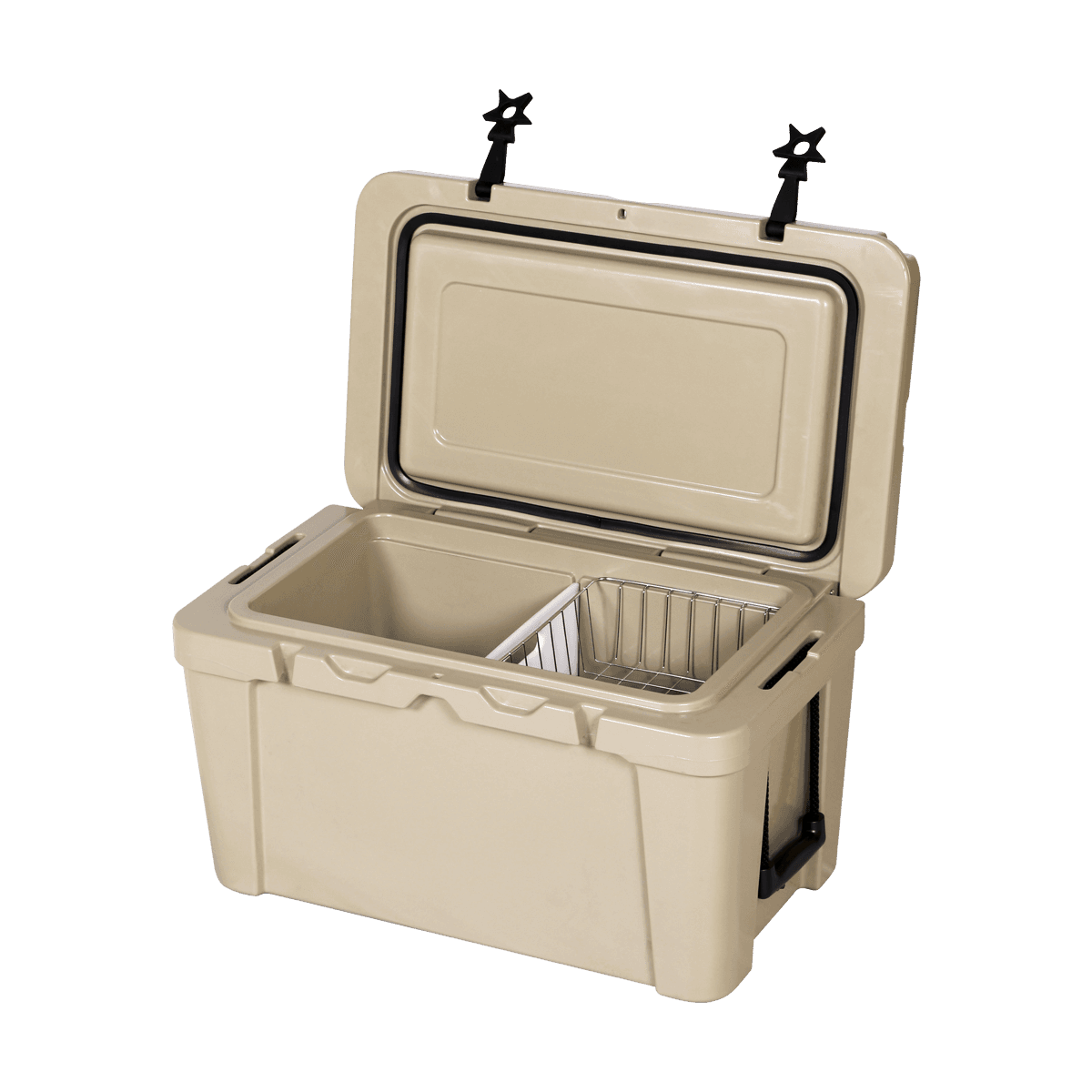
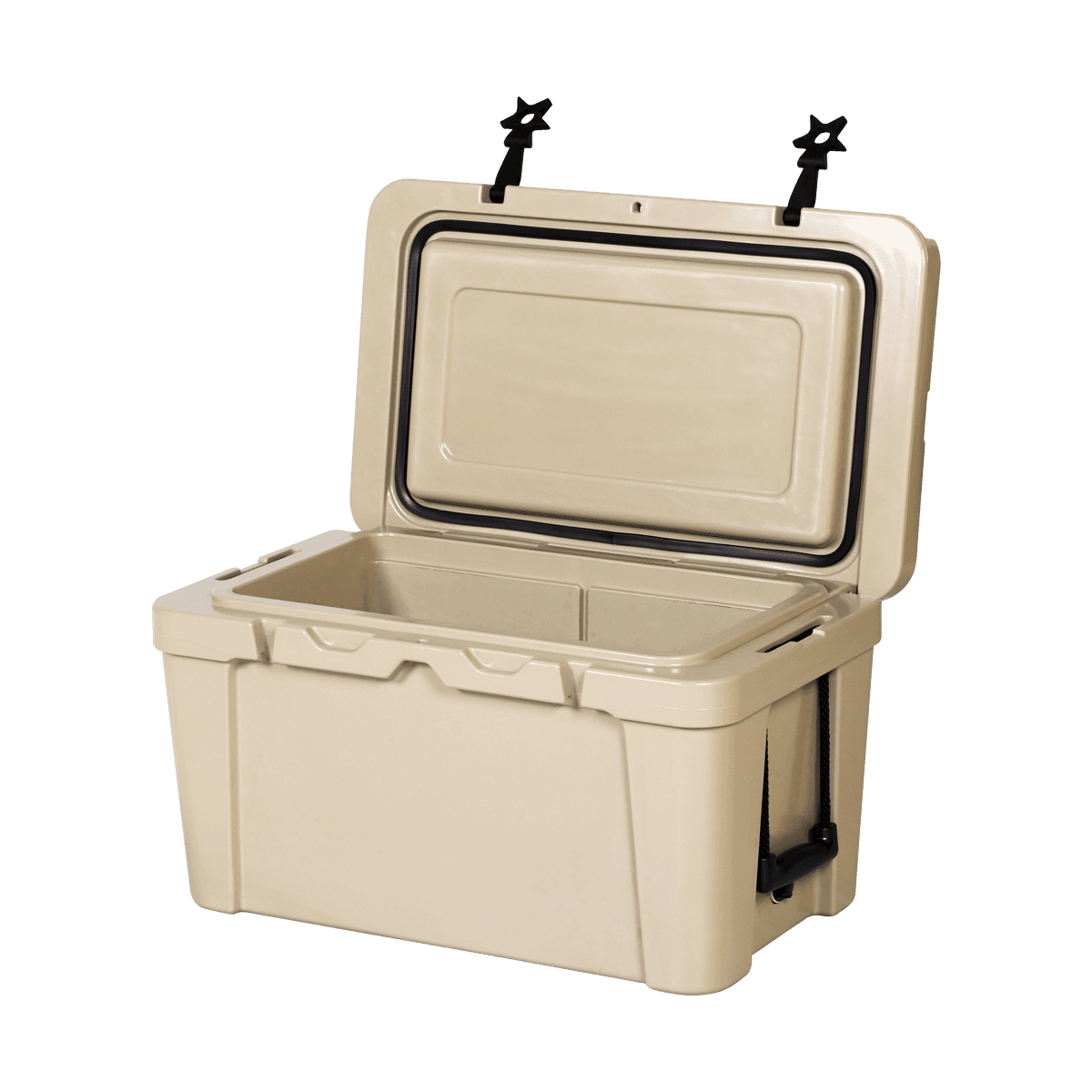
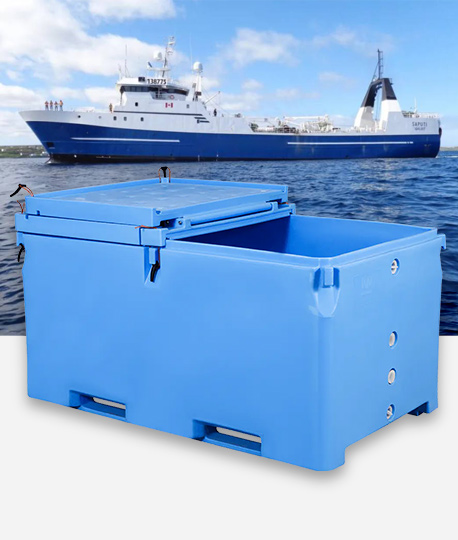
A practical breakdown of ice duration, ice pack performance, dry ice timing, and the exact number of ice blocks or ice packs you need for any trip.
Quick Answer
In a well built cooler box, regular ice usually lasts between two and five days, block ice can last four to seven days, ice packs generally hold their cooling power for one to two days, and dry ice can keep a cooler cold for twenty four to thirty six hours. The exact number depends on the quality of the cooler, the outside temperature, how often the lid is opened, and how much ice you pack relative to food and drinks. The rest of this guide breaks down every one of these factors in detail, with tables and real world examples so you can plan your next trip with confidence.
How Long Does Ice Last in a Cooler Box
The question of how long does ice last in a cooler box comes up constantly among campers, fishermen, tailgaters, and anyone planning a road trip. The honest answer is that there is no single number, because ice life depends on several variables working together. However, general expectations can be set based on the type of cooler and the type of ice used.
A basic foam cooler with thin walls will usually keep ice frozen for about one to two days in warm weather. A mid range hard sided cooler with an inch or more of insulation typically holds ice for three to five days. Premium rotomolded coolers, the thick walled style often used for hunting and extended camping trips, can preserve ice for five to ten days or even longer under the right conditions.
| Cooler Type | Wall Thickness | Typical Ice Life | Best Use Case |
| Basic foam cooler | Under half an inch | 1 to 2 days | Day trips, picnics |
| Standard plastic cooler | Half inch to one inch | 2 to 4 days | Weekend camping |
| Rotomolded heavy duty cooler | One to two inches | 5 to 10 days | Extended trips, hunting, boating |
| Electric cooler or fridge | Not applicable | Indefinite while powered | Overlanding, long expeditions |
These numbers assume the cooler is kept in shade, is not opened frequently, and is packed correctly. Direct sunlight, hot climates, and frequent lid opening can cut these times significantly, sometimes by half or more.
Why Ice Melts Faster in Some Coolers
Insulation quality is the single biggest factor in how long ice lasts. Thicker walls with denser foam trap cold air and slow down the transfer of heat from outside. A cooler with a tight fitting lid and a good rubber gasket seals in cold air far better than a loose fitting lid that lets warm air seep in continuously.
- Wall and lid insulation thickness determines how slowly heat penetrates the cooler.
- Seal quality around the lid prevents warm air from leaking in during transport.
- Cooler color affects heat absorption, with lighter colors reflecting more sunlight.
- Drain plug quality matters because a leaking plug lets cold melted water escape, which actually helps keep remaining ice colder for longer.
- Cooler size relative to contents changes how much air space needs to be cooled down.
How Long Can Ice Last in Cooler Box: Key Factors Explained
Understanding how long can ice last in cooler box requires looking at the full picture rather than a single number. Below are the main variables that determine ice longevity, along with practical guidance for each one.
Outside Temperature
Ice melts roughly twice as fast when ambient temperature rises from 20 degrees Celsius to 35 degrees Celsius. Hot summer days or desert trips shorten ice life considerably.
Lid Opening Frequency
Every time the lid opens, cold air escapes and warm air rushes in. Opening the cooler ten times a day can cut ice life by a full day compared to opening it twice.
Ice to Content Ratio
A cooler packed mostly with ice and few items stays cold much longer than one crammed with drinks and food that leaves little room for ice.
Ice Form
Block ice melts slower than cubed ice because it has less surface area exposed to warm air relative to its total mass.
Starting Temperature
Pre chilling the cooler and its contents before adding ice means the ice does not waste its cooling power lowering the temperature of warm food and warm plastic.
Sun Exposure
A cooler left in direct sunlight can lose ice up to three times faster than one kept in full shade.
When people ask how long will ice last in a cooler box for a specific trip, the practical approach is to estimate based on the worst combination of these factors, not the best case. Planning for warm weather, frequent lid opening, and a mid range cooler gives a safer estimate than assuming ideal conditions.
Real World Examples
| Scenario | Cooler Quality | Conditions | Estimated Ice Life |
| Beach day trip | Basic foam cooler | Direct sun, frequent opening | Under 24 hours |
| Weekend campsite | Standard hard sided cooler | Shaded, opened a few times daily | 3 days |
| Five day fishing trip | Rotomolded premium cooler | Shaded, packed with block ice | 7 days |
| Backyard barbecue | Any cooler type | Shaded, opened often for drinks | 1 to 2 days |
How Long Do Ice Packs Last in a Cool Box
Ice packs, also called gel packs or freezer packs, behave differently from loose ice. When people ask how long do ice packs last in a cool box, the general answer is that standard gel ice packs stay effective for one to two days, while thicker commercial grade ice packs designed for medical or food transport can last up to three days in a well insulated cooler.
Ice packs are popular because they do not create meltwater, they can be refrozen and reused, and they distribute cold more evenly around food items. However, they typically hold less total cooling capacity than the same volume of ice, since ice benefits from the latent heat of fusion released as it melts, while gel packs rely mostly on their frozen mass warming up gradually.
| Ice Pack Type | Typical Duration | Best For |
| Thin gel ice pack | 8 to 24 hours | Lunch boxes, small coolers |
| Standard freezer pack | 24 to 48 hours | Day trips, picnics |
| Commercial grade pack | 48 to 72 hours | Food delivery, medical transport |
| Long life gel brick | Up to 4 days | Multi day camping with a quality cooler |
Combining Ice Packs with Loose Ice
Many experienced campers combine ice packs with regular ice for the best of both worlds. Ice packs are placed at the bottom and sides of the cooler as a stable cold base, while loose ice or block ice fills the remaining space. This combination often extends total cooling time beyond what either method achieves alone, because the ice packs maintain a low baseline temperature while the ice provides rapid additional cooling and slower overall melt due to its larger mass.
How Long Does Dry Ice Last in a Cooler Box
Dry ice is solid carbon dioxide and it behaves very differently from water ice. Rather than melting into liquid, dry ice sublimates directly into gas, which means it disappears without leaving any moisture behind. This makes it excellent for keeping food frozen solid rather than just cold.
So how long does dry ice last in a cooler box. In a good quality insulated cooler, a standard block of dry ice typically lasts eighteen to twenty four hours, and in a premium heavy duty cooler with minimal lid opening, it can last up to thirty six hours or slightly longer. The exact time depends heavily on the amount used, since dry ice sublimates at a fairly steady rate of roughly five to ten pounds per day in a typical cooler.
| Cooler Quality | Dry Ice Amount | Estimated Duration |
| Basic foam cooler | 5 pounds | 12 to 18 hours |
| Standard hard sided cooler | 10 pounds | 24 hours |
| Premium rotomolded cooler | 10 to 20 pounds | 24 to 36 hours |
| Premium cooler, minimal opening | 20 pounds or more | Up to 48 hours |
Tips to Extend Dry Ice Life
- Wrap dry ice loosely in newspaper or a paper bag rather than plastic, since some airflow slows the sublimation rate.
- Place dry ice on top of food items rather than underneath, since cold air sinks and this arrangement cools everything below it.
- Fill any empty air space in the cooler with towels or extra insulation to reduce the volume of air that needs to stay cold.
- Keep the cooler closed as much as possible, since every opening releases a portion of the cold carbon dioxide gas.
- Use a cooler with a pressure release valve if regularly transporting dry ice, since built up gas can otherwise pop the lid open.
How Many Ice Blocks for a Cool Box
A common practical question is how many ice blocks for a cool box of a given size. The general rule used by outdoor suppliers is to fill roughly one third to one half of the total cooler volume with ice relative to the food and drinks being stored. For block ice specifically, the following guide is commonly used as a starting point.
| Cooler Size | Recommended Block Ice | Approximate Trip Length |
| 25 quart cooler | 1 standard block | 1 to 2 days |
| 45 to 55 quart cooler | 2 standard blocks | 2 to 4 days |
| 65 to 75 quart cooler | 3 standard blocks | 4 to 6 days |
| 100 quart or larger cooler | 4 or more standard blocks | 6 to 8 days |
Block ice is generally more efficient than cubed ice for longer trips because it has a lower surface area to volume ratio, meaning less of it is exposed to warm air at any given time. Many experienced campers make their own block ice at home by freezing water in large plastic containers, milk jugs, or dedicated ice block molds, which is often more economical than buying commercial blocks.
How Many Ice Packs for Cool Box
The question of how many ice packs for cool box depends on cooler size, the number of items being kept cold, and how long the cooling needs to last. As a general guideline, plan for one medium ice pack for every two to three liters of cooler capacity for a one to two day trip, and increase this ratio for longer trips or hot climates.
| Cooler Capacity | Recommended Ice Packs | Trip Length |
| Small lunch cooler, 5 to 10 liters | 1 to 2 packs | Half day to 1 day |
| Medium cooler, 20 to 30 liters | 3 to 4 packs | 1 to 2 days |
| Large cooler, 40 to 60 liters | 5 to 8 packs | 2 to 3 days |
| Extra large cooler, 70 liters or more | 8 to 12 packs | 3 to 4 days |
For sensitive items such as medications, breast milk, or perishable seafood, it is safer to over pack ice packs rather than risk running short, since temperature abuse can spoil food quickly or reduce medication effectiveness. A simple rule many people follow is to line the bottom and all four sides of the cooler with ice packs first, then place items in the center, which creates a cold buffer on every surface.
How to Make Ice Box Cooler for Longer Lasting Ice
Knowing how to make ice box cooler is often more valuable than simply buying more ice, since better technique can double or even triple how long a cooler stays cold. The following methods are used by experienced campers, hunters, and outdoor guides to maximize cooling performance.
Pre Chill Everything Before Packing
Place the empty cooler in a cool location or refrigerator for several hours before the trip if possible. Chill all drinks and food in a refrigerator or freezer beforehand rather than adding room temperature items directly to the cooler, since warm items force the ice to spend its cooling capacity lowering their temperature instead of simply maintaining a cold environment.
Layer Ice Correctly
- Start with a thick layer of ice at the very bottom of the cooler.
- Add the items that need to stay coldest, such as raw meat or dairy, directly on top of this base layer.
- Place less temperature sensitive items, such as canned drinks, toward the middle and upper sections.
- Finish with another layer of ice on top, since cold air sinks and this keeps a steady downward flow of cooling through the entire cooler.
- Fill any remaining gaps with extra ice or ice packs to eliminate air pockets, since air pockets warm up faster than solid ice or packed contents.
Minimize Lid Openings
Every time the lid is opened, cold air spills out and is replaced by warmer surrounding air. Packing drinks in a separate smaller cooler for frequent access, while keeping the main cooler mostly closed, is a simple strategy that significantly extends ice life in the main unit.
Keep the Cooler in Shade
Direct sunlight can raise the internal temperature of a cooler significantly compared to one kept in shade. Using a reflective cover, a towel, or simply parking the cooler under a tree or awning can make a noticeable difference over a multi day trip.
Drain Melted Water Regularly
There is some debate about whether melted water should be drained immediately or left in place. In general, draining excess water is beneficial because cold water sitting at the bottom does not insulate remaining ice as effectively as people assume, and excess water can also cause food packaging to become soggy or allow bacteria to spread more easily between items.
Use a Cooler Liner or Extra Insulation
Adding a foil faced insulation liner, a wool blanket, or a dedicated cooler bag liner around the inside of a basic cooler can meaningfully improve its insulating performance, essentially upgrading a budget cooler closer to the performance of a mid range model.
Pre Chill
Cool the cooler and contents before adding ice to avoid wasting cooling capacity on warm items.
Layer Smart
Ice on bottom and top, sensitive food in the middle, gaps filled to remove warm air pockets.
Limit Openings
Use a separate drink cooler for frequent access items to keep the main cooler sealed.
Stay Shaded
Keep the cooler out of direct sun and under cover whenever possible.
Drain Water
Remove melted water periodically to keep remaining ice colder for longer.
Add Insulation
Use a liner or blanket wrap to boost the performance of a basic cooler.
How to Use Ice Box in Air Cooler
Beyond food storage, many households ask how to use ice box in air cooler systems to boost cooling on very hot days. An air cooler, sometimes called an evaporative cooler or swamp cooler, works by passing warm air through water soaked pads, and adding an ice box or ice blocks to the water tank or cooling pad area can lower the output air temperature further during peak heat.
Basic Method
- Fill the air cooler water tank as usual according to the manufacturer instructions.
- Place sealed ice blocks or bottles of frozen water directly into the water tank rather than adding loose ice cubes, which prevents diluting the water too quickly and avoids clogging the pump.
- Allow the ice to chill the surrounding water for a few minutes before turning on the unit for maximum initial cooling effect.
- Replace the ice blocks every few hours during extended use, since the cooling boost fades once the ice fully melts and the water returns to ambient temperature.
- Clean the tank regularly to prevent algae growth, which can occur more easily in cooler, standing water conditions.
Safety Considerations for Air Coolers
- Never use dry ice inside an air cooler system, since the carbon dioxide gas released is not appropriate for indoor air circulation.
- Avoid overfilling the tank when adding ice, since melting ice will raise the water level further.
- Check that the pump and motor housing stay dry and are not exposed to floating ice blocks that could interfere with moving parts.
- Unplug the unit before adding or removing ice from the tank as a general electrical safety precaution.
Comparing Ice, Ice Packs, and Dry Ice Side by Side
Choosing between regular ice, ice packs, and dry ice depends on the specific goal of a trip. The table below summarizes the main tradeoffs to help with quick decision making.
| Cooling Method | Typical Duration | Leaves Water | Best Use |
| Regular loose ice | 2 to 5 days | Yes | General food and drink cooling |
| Block ice | 4 to 8 days | Yes, but slower | Extended multi day trips |
| Gel ice packs | 1 to 3 days | No | Medical items, lunch boxes, reusable trips |
| Dry ice | 18 to 36 hours | No | Keeping food frozen solid, not just cold |
Common Mistakes That Shorten Ice Life
Even with a high quality cooler, certain habits can waste ice much faster than expected. Being aware of these mistakes helps travelers get the most out of every trip.
- Packing warm food or drinks straight from a car trunk instead of pre chilling them first.
- Leaving the cooler in direct sunlight for extended periods rather than seeking shade.
- Opening the lid frequently to browse for items instead of planning ahead what is needed.
- Using too little ice relative to the amount of food and drink being stored.
- Choosing a cooler that is too large for the trip, since more empty air space requires more cooling energy to maintain a low temperature.
- Storing the cooler near a car engine, exhaust, or other heat source during transport.
- Failing to drain melted water, which can make remaining ice work less efficiently and soak food packaging.
Frequently Asked Questions
How long can ice last in cooler box during summer travel
In hot summer conditions, a standard cooler typically keeps ice frozen for one to three days, while a premium heavy duty cooler kept in shade can extend this to four to six days.
How long does ice last in a cooler box without opening the lid
If the lid stays closed the entire time, ice life can increase significantly, sometimes by an extra one to two days compared to a cooler that is opened regularly throughout the day.
How long will ice last in a cooler box on a boat
On a boat, exposure to sun, wind, and saltwater spray can shorten ice life compared to land use, so it is common to see ice last only two to four days even in a good quality cooler, unless it is kept fully shaded and closed.
How many ice blocks for a cool box on a week long trip
For a week long trip in a large rotomolded cooler, three to four solid ice blocks combined with proper packing techniques and shade can maintain safe cold temperatures for most of the week.
How many ice packs for cool box when carrying medication
For temperature sensitive medication, it is safer to use more ice packs than seems necessary, typically enough to fully surround the medication on all sides, and to check the temperature periodically with a thermometer rather than relying on estimates alone.
How long do ice packs last in a cool box compared to regular ice
Ice packs generally last a shorter time than an equivalent volume of regular ice, since ice benefits from the extra cooling effect released during melting, while gel packs simply warm up gradually without that additional cooling boost.
How long does dry ice last in a cooler box if the lid is opened often
Frequent lid opening can cut dry ice duration substantially, sometimes reducing an expected thirty six hour lifespan down to twenty hours or less, since each opening releases a portion of the cold carbon dioxide gas surrounding the food.
How to make ice box cooler without buying a new cooler
Simple upgrades such as adding an insulated liner, pre chilling the cooler and its contents, packing it fuller with less air space, and keeping it shaded during use can noticeably improve performance without purchasing new equipment.
How to use ice box in air cooler safely at home
Use sealed frozen water bottles or wrapped ice blocks placed directly in the water tank rather than loose ice cubes, replace them every few hours during heavy use, and always unplug the unit before handling the tank.
Key Takeaways
- Regular ice typically lasts two to five days in a good cooler, with block ice lasting even longer.
- Ice packs generally last one to three days depending on thickness and cooler quality.
- Dry ice usually lasts eighteen to thirty six hours due to its steady sublimation rate.
- Cooler insulation quality, shade, lid opening frequency, and pre chilling all significantly affect how long ice lasts.
- Matching the right amount of ice blocks or ice packs to cooler size and trip length prevents both waste and spoiled food.
- Frozen water bottles can also be used inside air coolers to boost cooling during extreme heat, using the same core cooling principles as a food cooler.
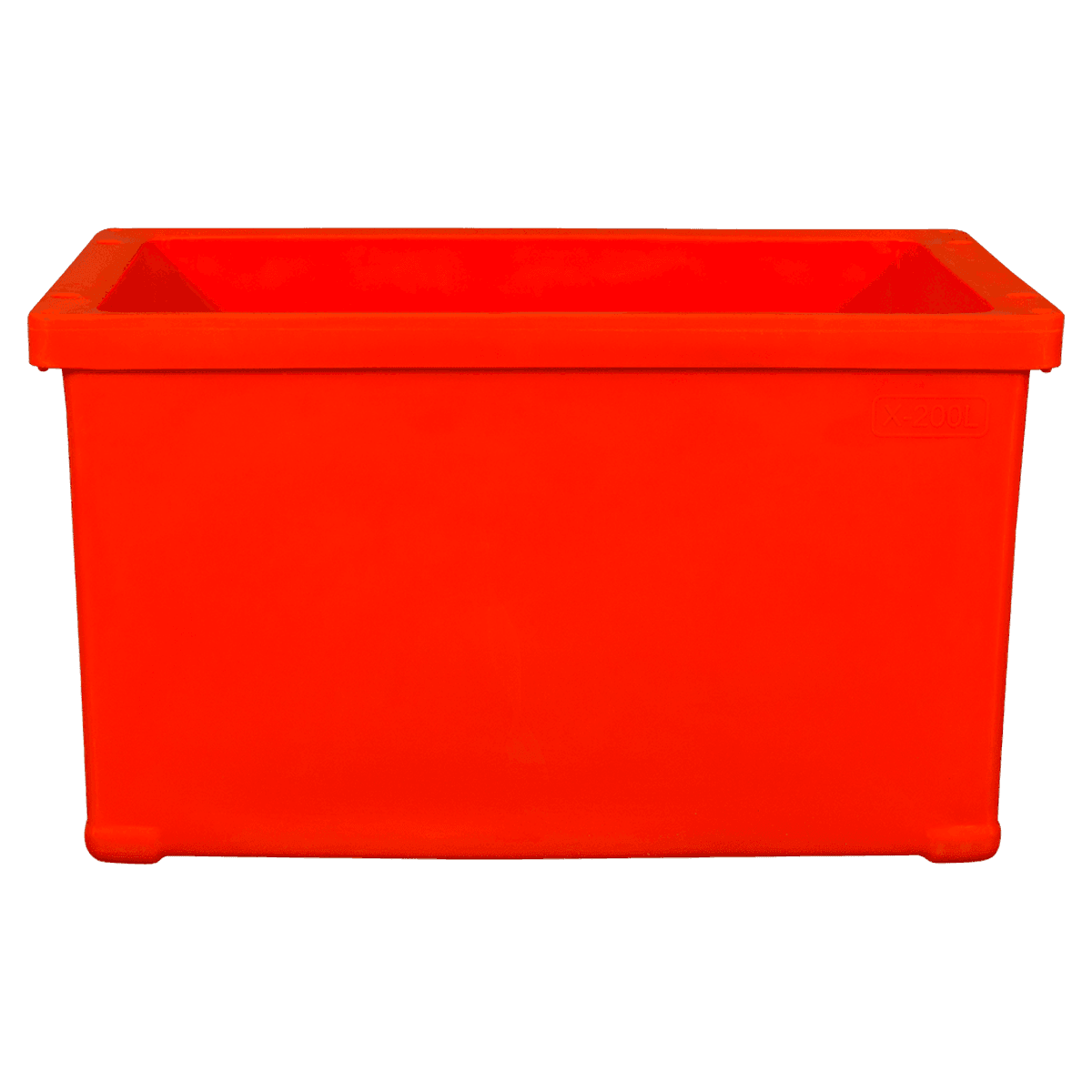
-4.png "X-120L ปลาฉนวนถังน้ำแข็งเย็นกล่องน้ำแข็ง")
-4.png "กล่องน้ำแข็งตกปลาฉนวน X-70L")
-2.png "X-68L Ice Cooler Box เพื่อให้อาหารเย็นและสด")
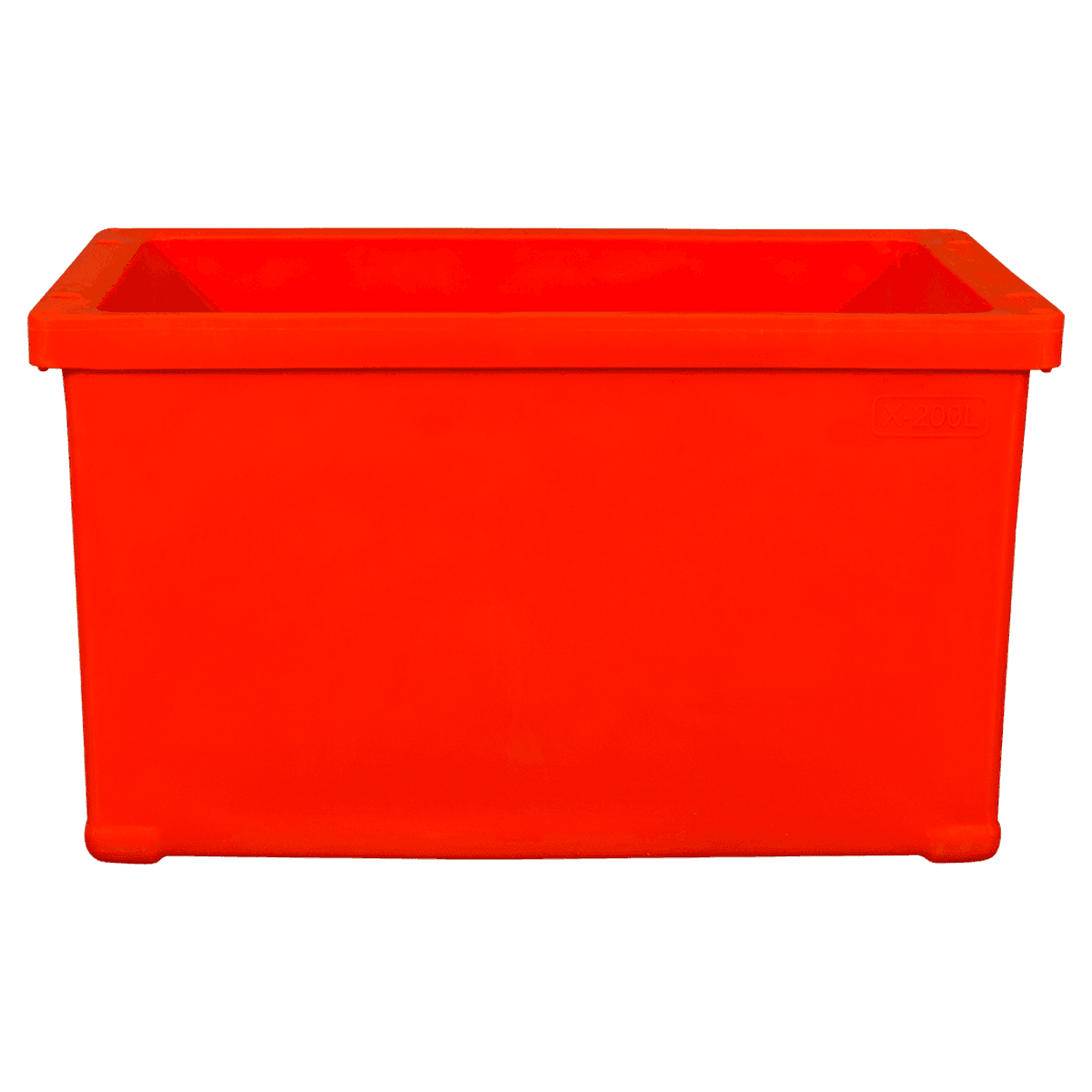
-2.png "ถังขนส่งอาหารทะเลสด X-120L")
-2.png "ถังขนส่งอาหารทะเลสด X-70L")